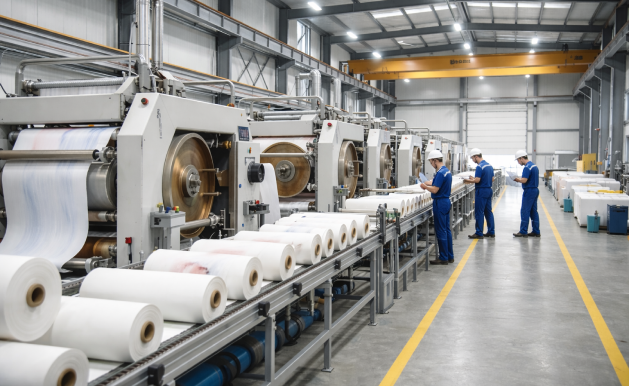
How to Improve Efficiency in Textile Dyeing & Drying Processes

Introduction

In the modern textile industry, improving efficiency in dyeing and drying processes is essential for reducing costs, maintaining quality, and staying competitive. With rising energy prices and increasing demand for faster production, manufacturers must adopt smarter and more advanced processing solutions.

Key Challenges in Traditional Processes

Many textile units still rely on outdated machinery and manual operations, which can lead to:
• High water and energy consumption
• Inconsistent dyeing results
• Increased fabric damage
• Frequent machine downtime

These challenges directly impact productivity and profitability.

Modern Solutions for Better Efficiency

  • Adoption of Advanced Machinery:
    Using modern dyeing machines like soft flow systems ensures low tension fabric handling, better color consistency, and reduced processing time.
  • Automation and PLC Controls:
    Automated systems improve accuracy by controlling temperature, pressure, and chemical dosing, minimizing human error and ensuring repeatable results.
  • Energy and Water Optimization:
    Machines with low liquor ratios and heat recovery systems significantly reduce resource consumption, leading to cost savings and sustainable operations.
  • Preventive Maintenance:
    Regular maintenance and real-time monitoring help detect issues early, reducing unexpected breakdowns and downtime.

Benefits of Improved Efficiency

By optimizing dyeing and drying processes, manufacturers can achieve:
• Higher production output
• Consistent fabric quality
• Reduced operational costs
• Lower environmental impact

Conclusion

Improving efficiency in textile dyeing and drying is not just about upgrading machinery but also about adopting smarter processes. By investing in advanced technology and optimized operations, textile manufacturers can enhance productivity, reduce costs, and achieve long-term growth.